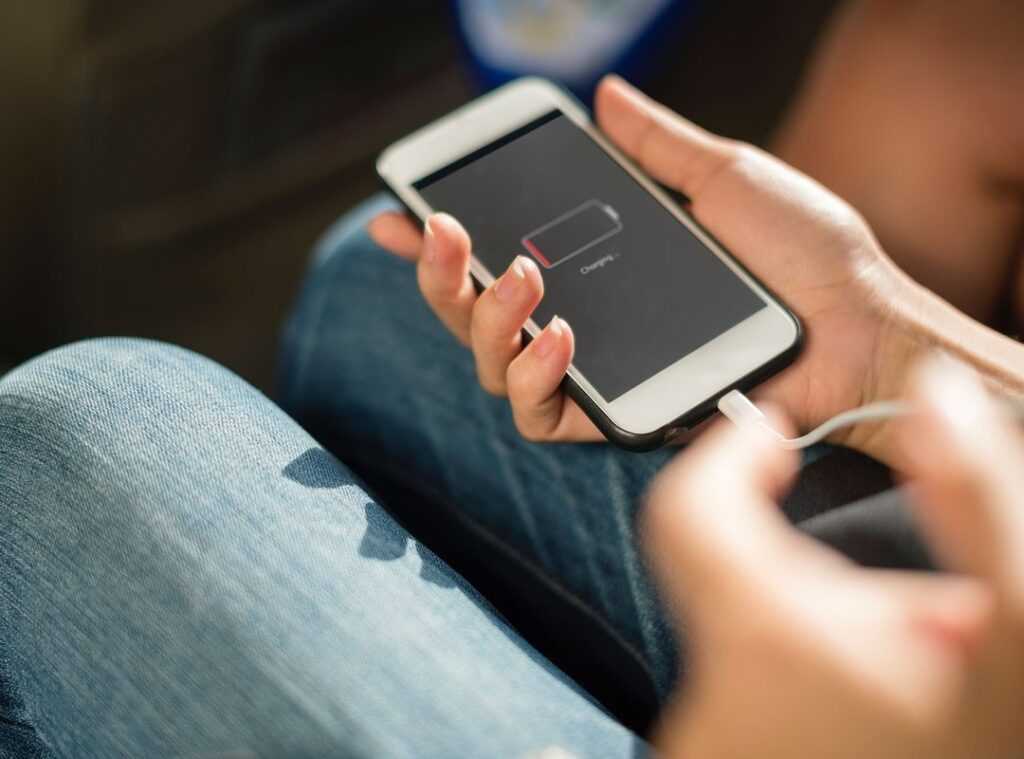
We’ve all been there. Your phone’s battery is at 5%, and you’re nowhere near a charger. It’s frustrating.
I want to help you understand this better. This article dives into battery tech mobiles and breaks down how they work. I’ll explain the limitations we face and the innovations that are on the horizon.
I’ve spent years tracking tech advancements, so I know the ins and outs of mobile power. I’m here to simplify the complexity of this topic.
You might be wondering why your phone dies so quickly or why your battery drains when you’re not using it. I’ll tackle these questions and more.
By the end of this read, you’ll grasp the science behind battery technology. You’ll also learn about the challenges it faces and what the future holds.
I promise you’ll walk away with actionable takeaways that go beyond the basics. Let’s break down the mysteries of mobile battery tech together. Trust me, your daily device will thank you for it.
Battery Power: The Secret to Mobile Dominance
Let’s talk Lithium-ion batteries. They’re the kingpin of mobile power. Why?
High energy density and rechargeability. These batteries became the industry standard because they pack a punch in a small package. But how do they work?
Well, lithium ions dance between the anode and cathode during charge and discharge. Simple, right?
Now, about battery life. Ever wonder why your phone’s charge doesn’t last like it used to? It’s all about ‘charge cycles.’ Each cycle degrades the battery’s capacity over time.
And don’t get me started on extreme temperatures. They zap battery life faster than you can say “dead phone.”
Users often complain about batteries draining too fast. It’s not just age. Modern smartphones demand more power for all those apps and features.
Still, manufacturers have safety mechanisms to prevent overheating (a small consolation, I know).
For a glimpse into the foldable phones future, consider how battery tech needs to evolve. Batteries are a pain point now, but they’re key for innovation. So take care of your device.
Avoid heat and overcharging. Your battery (and) your sanity (will) thank you.
Breaking Barriers: Why Mobile Battery Innovation is Tough
Ever wonder why your phone battery still feels like it’s stuck in the Stone Age? It’s all about the energy density limits. Current battery chemistry has hit a wall.
You want a slim phone, right? Well, manufacturers are juggling battery capacity with keeping devices sleek.
And let’s not forget safety regulations. They’re like the overly cautious parent at a playground, slowing down the adoption of new materials. Sure, they’re key, but they can feel like a drag when you’re waiting for that next big leap.
Demand for faster charging? It’s like asking your grandma to sprint. Convenient, yes, but it stresses battery components.
There’s also the ‘power budget’ challenge. Our gadgets demand more power for brighter screens and solid processors. But somehow, the batteries aren’t growing with them.
This can mess with the battery’s long-term health. It’s why we should talk about how often we charge our devices and the impact it has locally.
It’s like fitting a V8 engine into a compact car. The struggle is real in battery tech mobiles. So next time your phone dies, remember these hurdles.
The Future of Power: Mobile Battery Revolution
I’ve been keeping an eye on battery tech mobiles, and let me tell you, the promise of solid-state batteries is electrifying. They offer higher energy density, faster charging, and improved safety. But why aren’t they everywhere yet?
Manufacturing hurdles and cost are holding them back.
Then there’s lithium-sulfur (Li-S) batteries. Their theoretical energy density blows lithium-ion out of the water. Yet, cycle stability and material degradation are serious roadblocks.
These aren’t just lab experiments either. Researchers are actively tackling these issues, and it’s only a matter of time before we see breakthroughs.
Now, let’s talk anode materials. Silicon-anode batteries and graphene composites are the cool kids on the block. They’re pushing the limits of what current Li-ion frameworks can do, boosting capacity and charging speed.
And don’t get me started on sodium-ion or air-based batteries. Their unique properties could revolutionize mobile applications in the long run. Just imagine a world where your phone lasts for days.
These technologies aren’t just theoretical dreams. They’re being researched and prototyped right now. It’s an exciting time for mobile device endurance.
Who wouldn’t want their gadgets to last longer and charge faster?
Beyond the Cell: Software, Charging, and Longevity Hacks
Ever noticed how your phone seems to know your habits? It’s not magic. It’s software optimization at work.

Modern operating systems use tricks like adaptive battery management to stretch out every bit of battery life. It’s smart. It decides which apps can run wild and which need a timeout.
But does it really make a difference? Absolutely.
Now, smart charging. This isn’t just a buzzword. Phones learn your charging routine to ease off overnight and pause at 80%.
This reduces wear on the battery. It’s like a good sleep cycle for your phone. Remember those late-night charges back in college?
Your phone remembers too (poor thing). Surprisingly, these simple hacks can save you money on expensive battery replacements.
As for battery tech mobiles, new tech is on the horizon. Faster wireless charging and the dream of long-range charging could change everything. Imagine charging multiple devices at once (no) more tangled cords.
Pro tip: Dim your screen and manage location settings. These simple moves extend your battery life. It’s not rocket science, just good habits.
Experts agree: small daily changes can keep your device’s battery healthy. Why not start today?
The Ripple Effect: Mobile Battery Tech’s Ethical Quandary
Ever thought about what powers your phone? It’s battery tech mobiles rely on, and it’s not as clean as you’d hope. Cobalt, lithium, nickel (these) aren’t just words.
They’re the raw materials wreaking havoc on our environment. Extraction processes are anything but eco-friendly, and the social impact? It’s grim.
Communities near mining sites face dire conditions (I’m talking exploitation and pollution).
We need battery recycling programs, but they’re no walk in the park. Recovering every bit of material is nearly impossible. Why?
Because tech isn’t designed for easy disassembly. The “right to repair” movement could change that. Imagine having a phone with a replaceable battery.
It’d last longer, reducing e-waste.
Then there’s the ethical question. Ever wonder who’s digging up these materials? Often, it’s workers in poor conditions with unfair wages.
Consumers need to dig deeper, making choices that don’t just serve convenience.
A greener future in mobile battery tech isn’t just a dream. It’s a necessity. We’re talking about cleaner production and a full-circle economy.
Your role? Be informed. Consider how esims changing connectivity could influence sustainable practices.
It’s all connected.
Powering Ahead in Mobile Tech
Understanding mobile battery technology gives you the power to make smarter choices. I know the struggle for longer-lasting, fast power. It’s a constant battle.
But the solutions are here. Scientific breakthroughs and smart software are changing the game. Plus, your habits matter.
Stay informed about battery tech mobiles and apply the tips you find. Think about how your device choices impact both your experience and the environment. Embrace these advancements as they come.
You’re not just a user. You’re part of this evolution. Ready to step up?
Start making informed choices today.