
Smart homes are everywhere, but many people get stuck on how to start. I’ve been there. You want to dive into home automation Arduino but don’t know where to begin.
With years of experience in DIY tech projects, I can tell you it’s easier than it seems. I’ve built smart solutions that work but also make daily life smoother.
Does the thought of wiring and coding intimidate you? Don’t worry. This article will guide you through the basics of integrating Arduino into your smart home setup.
I’ll share tips and tricks I’ve learned from hands-on experience. You’ll see how simple it can be to create solutions tailored to your lifestyle.
By the end, you’ll have a clearer path to transforming your home into a smart haven. Let’s get started on making your space more responsive and fast.
Arduino: The Smart Home’s Secret Weapon
Arduino is like the brain of smart home projects. It’s a microcontroller platform that’s easy to use and super popular among DIY enthusiasts (like me). Why?
Because it gives you the freedom to mess around and create your own tech solutions without needing a degree in engineering.
You might be asking, why choose Arduino for home automation? Simple. It’s affordable and flexible.
You can start small with projects like automating your lights or controlling your thermostat. You don’t need to break the bank to make your home smarter.
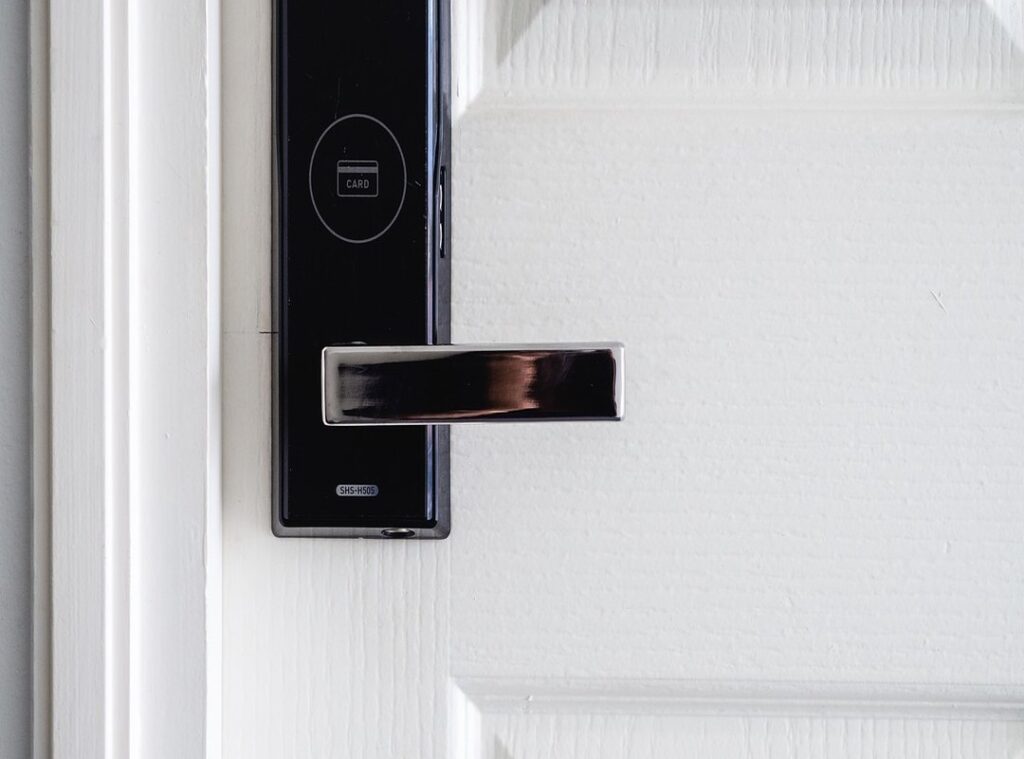
to some examples. Ever thought about building a smart door lock? Arduino can help you do that.
It’s about learning and having fun along the way.
Or what about a motion-detecting alarm system? Again, it’s all possible with Arduino. It’s not just about saving money.
I get it; some folks swear by Raspberry Pi for home automation. But I say Arduino’s simplicity and cost-effectiveness make it the better choice, especially for beginners. You can scale up as you go.
In this tech-savvy world, having Arduino in your toolkit is like having a secret weapon. It’s time to start experimenting.
Building a Smart Home with Arduino: What You Need
Turning your home into a smart home with Arduino isn’t just fun. It’s practical. You’ll need sensors, actuators, and microcontrollers.
Sensors detect changes (like temperature or motion), while actuators perform actions (like turning on lights). Microcontrollers are the brain of the operation, coordinating everything seamlessly. Without them, your smart home is just a pile of parts.
Why Arduino? It’s flexible and community-driven. You can find tons of resources online, but don’t underestimate the local hobby shops.
They often carry unique components not available elsewhere. Plus, you might bump into someone who’s already built their own home automation Arduino setup. Pro tip: Always check compatibility.
Not all sensors and actuators play nicely together (read) those spec sheets!
You ever wonder if you can piece together a system without breaking the bank? Of course, you can! Start small.
Maybe just one room or a simple task like smart lighting. Once you’ve got the hang of it, expand. Grab a sensor kit online, or if you’re lucky, snag one during a local electronics fair.
For those interested in other DIY projects, check out how to Create Custom Gaming Controller. It’s another way to dive deeper into the Arduino universe, using similar principles. Imagine the satisfaction of building something yourself.
The freedom to tinker, modify, and improve is what makes Arduino so rewarding. Take your time, learn, and enjoy the process. Building a smart home with Arduino isn’t just about the destination; it’s about the journey.
Smart Home Magic: Your First Arduino Project
Setting up your first Arduino smart home project is like stepping into your own tech movie. You know, where you control everything with a wave of your hand. But instead of CGI, we’re diving into the real deal.
Let’s keep it simple, starting with smart lighting.
Grab your Arduino board and some LED lights. Wiring is key. Connect the LED to the Arduino’s digital pin and the ground pin.
It sounds basic, but trust me, getting those wires right makes all the difference.
Now, let’s talk code. You need to program the Arduino to control your lights. Open the Arduino IDE and write a sketch (that’s programmer talk for code).
You want the lights to turn on and off, right? Use the digitalWrite() function to send signals to the LEDs.
Testing is where it gets exciting. Upload your code to the Arduino and watch your lighting dreams come to life. But what if nothing happens?
Troubleshooting is part of the journey. Double-check your wiring and code. Is everything connected properly?
Did you upload the sketch correctly? This is where patience pays off.
For those who hit a roadblock, look for resources. There’s a fantastic project on home automation using arduino and bluetooth control that can take you further. It’s like having a tech mentor without the awkward small talk.
Pro tip: label your wires. Future you will thank you when you’re knee-deep in projects.
As you get comfortable, explore more. The world of home automation Arduino projects is vast. From sensors to voice control, the possibilities are endless.
Just remember, every tech wizard started with a single lightbulb. So, get hands-on, make mistakes, and celebrate the small wins. You’re not just building a project; you’re crafting your own piece of the future.
Smart Home Magic: Advanced Arduino Projects
Ever thought about turning your home into a smart haven? With some home automation Arduino projects, you can do just that. I’ve dived into this tech rabbit hole, and it’s fascinating.
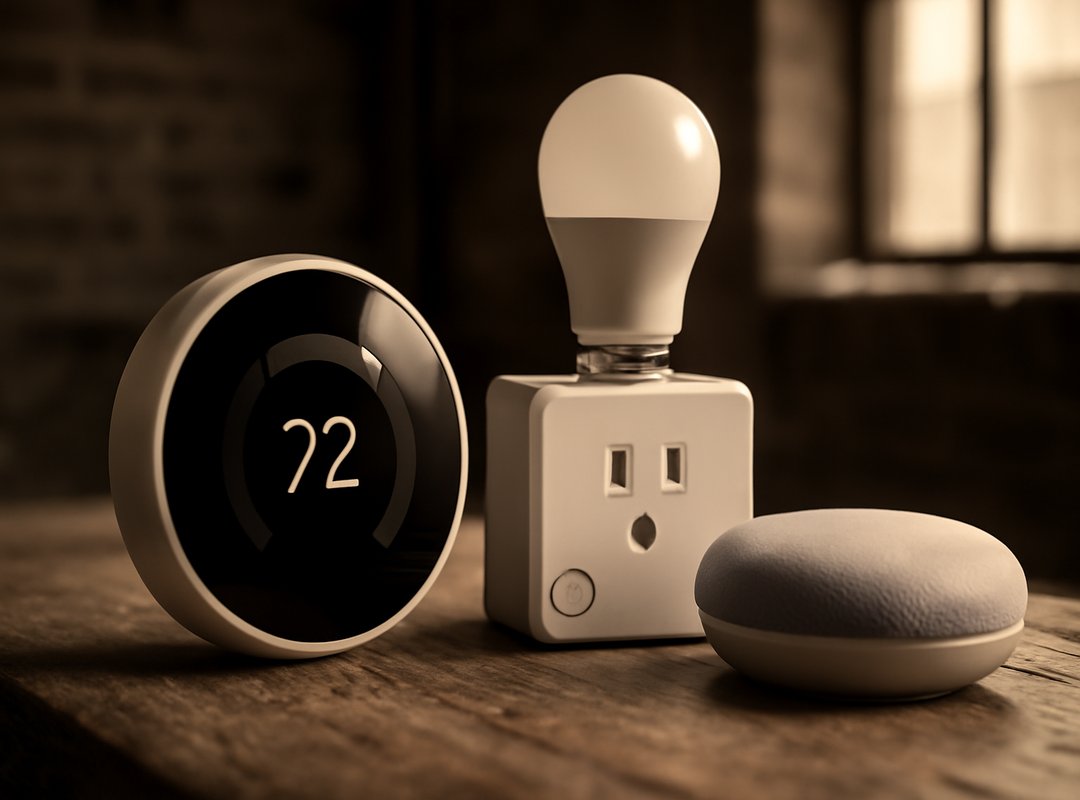
You can start with something like a smart thermostat. It’s not just about controlling temperature remotely. It’s about saving energy and reducing bills.
Who doesn’t want that?
Building a security system is another game-changer. You’ll need some skills like coding and basic electronics, but it’s doable. Trust me, the satisfaction of building your own system is unmatched.
Plus, you’ll have a unique setup unlike any store-bought system.
Wondering where to start? There are countless online forums and tutorials out there. They’re useful for tackling advanced projects.
For those curious about integrating other tech like Raspberry Pi, check out raspberry pi projects. It’s a treasure trove of ideas.
These projects offer real benefits. They boost efficiency and make life more convenient. You’ll feel like Tony Stark in your own home!
So, why wait? Grab an Arduino and start transforming your space. It’s easier than you think, and the payoff is huge.
Keep Your Smart Home Humming: Maintenance & Troubleshooting
Your smart home isn’t a sci-fi movie set (it’s) real, and regular maintenance is non-negotiable. Ever noticed things glitching or Alexa giving the silent treatment? Well, that’s your cue.
Keeping an eye on updates for your home automation Arduino setup ensures everything runs like a well-oiled machine.
But let’s be honest, tech can be moody. Wi-Fi acting up? Check your router (it’s usually the culprit).
Devices not talking? Reboot them (turning) it off and on again is as magical as everyone says it is.
Know when to throw in the towel. If you’re knee-deep in wires and code, it might be time for a pro. And trust me, it feels great to hand over the headache!
Don’t be a lone wolf. Tech communities are goldmines for shared wisdom. There’s a forum out there where everyone gets just as frustrated as you (and they’ll help solve it).
So, keep connecting.
Take the Leap into Smart Living
Starting with smart home tech can feel overwhelming. I get it. But home automation Arduino makes it easier.
You have step-by-step instructions and a supportive community ready to help.
Why wait? Take the first step with a simple project. You’ll build confidence and soon be creating a home that works for you.
Don’t let fear hold you back. Dive in and transform your space.
Ready to start? Check out the resources available and take action now. Your smarter home is just one project away.
Let’s make it happen together.