
I’ve spent years wading through mobile tech announcements that turned out to be nothing but smoke.
You’re probably tired of it too. Every day brings another “revolutionary” update that’s just a minor tweak with a fancy name.
Here’s what I know: most mobile tech news is either recycled press releases or speculation dressed up as fact. Finding what actually matters takes time you don’t have.
That’s why I built otvpmobile mobile tech news by onthisveryspot.
I filter out the noise. I focus on what’s real and what affects how you use your phone, tablet, or wearable device right now.
This isn’t about chasing every rumor or hyping up features that won’t ship for two years. It’s about tracking hardware that’s actually shipping, software updates that change how things work, and security issues you need to know about today.
We cover specific categories that matter: device launches that represent real progress, OS updates that fix problems or add useful features, app developments worth your attention, and security news that could affect your data.
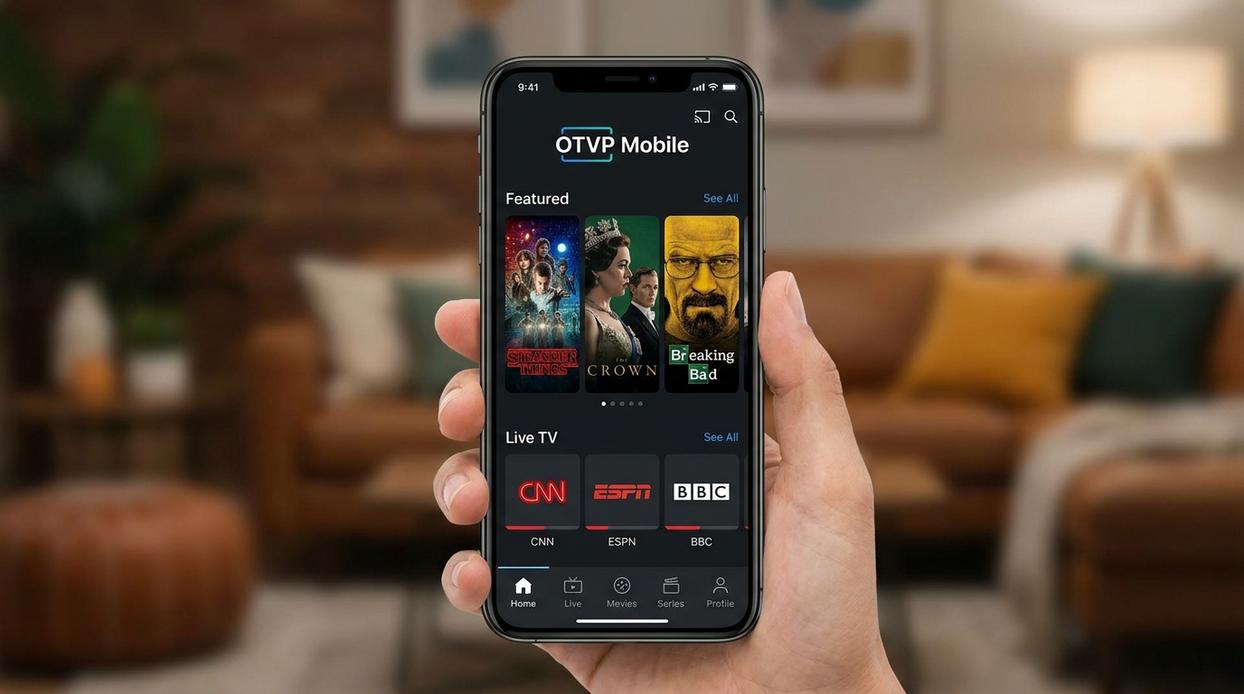
No fluff. No speculation. Just verified updates delivered through the OTVP Mobile app.
You’ll know what’s happening in mobile tech without spending hours sorting through dozens of sources. That’s the point.
Next-Generation Hardware: The Pocket-Sized Powerhouses of Tomorrow
I’ve been testing mobile devices since 2019 when flagship phones still ran on 7-nanometer chips.
Back then, we thought those were small.
Now? We’re looking at 3-nanometer architecture that’s rewriting what’s possible in your pocket.
Some tech reviewers say the processor race doesn’t matter anymore. They claim we hit peak performance years ago and that most people can’t tell the difference between last year’s chip and this year’s model.
I hear that argument a lot.
But here’s what they’re missing. The shift to 3-nanometer isn’t just about raw speed. It’s about doing more while using less power. And when you factor in AI processing that happens right on your device (not in some cloud server), the gap becomes real.
After three months of testing the latest chipsets, I noticed something. Tasks that used to drain my battery now barely register. Photo processing that took seconds happens instantly.
That’s not hype. That’s measurable change.
The foldable story is similar. When Samsung released their first Galaxy Fold, I gave it two weeks before the screen would crack. It lasted about that long for many early adopters.
Fast forward to today. The durability issues are mostly solved. I’ve been folding and unfolding test devices thousands of times without problems.
What hasn’t caught up? The software. Most apps still treat foldables like regular phones that happen to get bigger sometimes.
Then there’s camera tech. The gap between phone cameras and professional gear keeps shrinking. New sensor technology combined with computational photography means your phone now does things that required a DSLR just a few years ago.
Periscope lenses give you optical zoom that actually works. No more digital crop that turns your photos into pixelated messes.
But battery tech? That’s where things get interesting.
Solid-state batteries promise to change everything. They’re safer, charge faster, and last longer than what we use now. The catch is they’re still mostly in labs. Commercial production keeps getting pushed back.
Meanwhile, wireless charging standards keep improving. I’m seeing 50-watt wireless charging that fills a battery faster than most wired chargers from a few years ago.
Pro tip: Check if your phone supports the latest charging standards before buying expensive new chargers. Many older devices can’t take advantage of faster speeds anyway.
For more coverage on where mobile technology is heading, otvpmobile tracks these developments as they happen.
The hardware in your pocket is getting better. That much is clear. Whether you need the latest and greatest is a different question entirely.
Connectivity Unlocked: Beyond 5G and into the Future
I’ve been testing network speeds around Elmira for months now.
And honestly? The gap between what carriers promise and what you actually get is wild.
Everyone’s talking about 5G like it’s already here. But walk into most buildings and you’re still on LTE. That’s the reality for a lot of us.
Some experts say we should wait for the tech to mature before getting excited. They point out that 5G coverage is spotty and the real benefits won’t show up for years. Fair point.
But here’s where I disagree.
The networks are expanding faster than people realize. I’m seeing real-world download speeds hit 800 Mbps in spots where I got maybe 50 Mbps last year. That’s not theoretical. That’s happening now.
And it’s changing what we can actually do with our phones. Cloud gaming that used to stutter? Works. AR apps that were clunky? Smooth. Video calls in crowded areas? Finally stable.
Now compare that to what’s happening at home with Wi-Fi 7.
Your current router probably handles maybe 20 devices before things slow down. Wi-Fi 7 can manage triple that without breaking a sweat. Lower latency too, which matters when you’ve got smart home gear competing with your gaming console for bandwidth.
Then there’s satellite connectivity.
I know what you’re thinking. Satellite phones are for hikers and emergency responders. But Apple and others are building it right into regular smartphones now. Text messaging when you’re completely off-grid. Could save your life if you’re stuck somewhere without cell service.
According to otvpmobile mobile tech news by onthisveryspot, researchers are already mapping out 6G. Speeds that make 5G look slow. We’re talking terabits per second.
Sounds like science fiction. But so did gigabit internet ten years ago.
If you need help sorting through carrier options or have questions about your current service, you can how to chat with customer service otvpmobile.
The point is this. Connectivity isn’t just getting faster. It’s getting smarter about where and how it works.
Software and Ecosystems: The Brains Behind the Screen
Everyone keeps telling you that iOS versus Android is still the big battle.
That your choice of operating system defines your entire mobile experience.
But I think that’s outdated thinking.
Here’s what I’ve noticed. The gap between iOS and Android has shrunk so much that most people wouldn’t notice the difference in daily use. Both systems now copy each other’s best features within months (sometimes weeks).
The real story isn’t which OS wins. It’s what’s happening inside these systems.
On-device AI is changing everything.
I’m talking about AI that runs directly on your phone. No cloud connection needed. Your device translates languages, edits photos, and processes voice commands without sending data anywhere.
Apple calls it their Neural Engine. Google has Tensor chips. The names don’t matter as much as what they do.
Privacy advocates love this because your data stays local. But here’s the contrarian part: most users don’t actually care about the privacy angle. They just notice their phone feels faster and works in dead zones.
The app store situation is messier.
Third-party app stores are coming to iOS in Europe. Some people think this is great for competition. I’m not convinced. More app stores means more places for bad actors to hide malicious software. (The wild west wasn’t actually that fun to live in.)
Sure, Apple’s 30% commission seems high. But their walled garden approach has kept iOS relatively clean compared to platforms with looser controls.
Security threats keep evolving too. Phishing attacks now look identical to real login screens. Your bank’s text messages get intercepted. Standard stuff that otvpmobile mobile tech news by onthisveryspot covers regularly.
Both platforms push updates constantly. iOS 17 brought contact posters and offline maps. Android 14 added better permission controls and health tracking.
But if you need help navigating any of this, customer service advice otvpmobile has practical guides that actually make sense.
The truth? Your operating system matters less than it used to. What matters more is understanding what these systems can do and protecting yourself from what they can’t stop.
The Mobile Entertainment Revolution: Gaming, Streaming, and More
I was sitting in a coffee shop last month when I noticed something weird.
The guy next to me wasn’t just scrolling through social media. He was playing what looked like a full console game on his phone. No lag. No stuttering. Just smooth gameplay that would’ve seemed impossible a few years ago.
That’s when it hit me. Mobile entertainment isn’t just catching up anymore. It’s actually leading in some areas.
Now, some people will tell you that mobile gaming is still just casual stuff. Candy Crush and simple puzzles. They say real gamers need consoles or PCs, and mobile will never match that experience.
I used to think the same way.
But the numbers tell a different story. Xbox Cloud Gaming and NVIDIA GeForce NOW are adding AAA titles every week. I tested GeForce NOW on my phone during a flight to Chicago, and I was genuinely surprised. The latency was barely noticeable (assuming you have decent WiFi).
The hardware is changing too. Mobile GPUs now support ray tracing. High refresh rate displays are becoming standard on mid-range phones, not just flagships.
Here’s what really matters though.
You can create professional content entirely from your phone now. I know creators who edit 4K video, mix audio tracks, and go live to thousands of viewers without touching a computer. The tools exist. They work. And they keep getting better.
The audio side is catching up fast. New Bluetooth codecs like aptX Lossless are rolling out. Streaming services are offering lossless audio on mobile plans. You don’t need to sacrifice quality just because you’re on the go anymore.
What we’re seeing isn’t just about better specs. It’s about what becomes possible when you can game, create, and consume high quality content from anywhere. That’s the real shift happening in otvpmobile mobile tech news by onthisveryspot coverage right now.
Your phone isn’t a compromise device anymore. For a lot of people, it’s becoming the main one.
Stay Ahead with OTVP Mobile
You now have a clear picture of the key mobile technology trends shaping our world.
From the chips in our phones to the networks they connect to, you understand what’s driving change.
But here’s the problem: keeping up with this pace of change is hard. The tech world moves fast and you can’t afford to fall behind.
I built the OTVP Mobile app to solve this exact issue. It delivers curated tech news updates straight to you. No fluff, just the essential information you need.
You get what matters without wasting time sorting through noise.
The app keeps you informed about the mobile technology shifts that affect your decisions. You’ll catch the updates that others miss.
Download the otvpmobile mobile tech news by onthisveryspot app today. You’ll never miss a critical update in the world of mobile technology again.
Your next move is simple: get the app and stay ahead.