
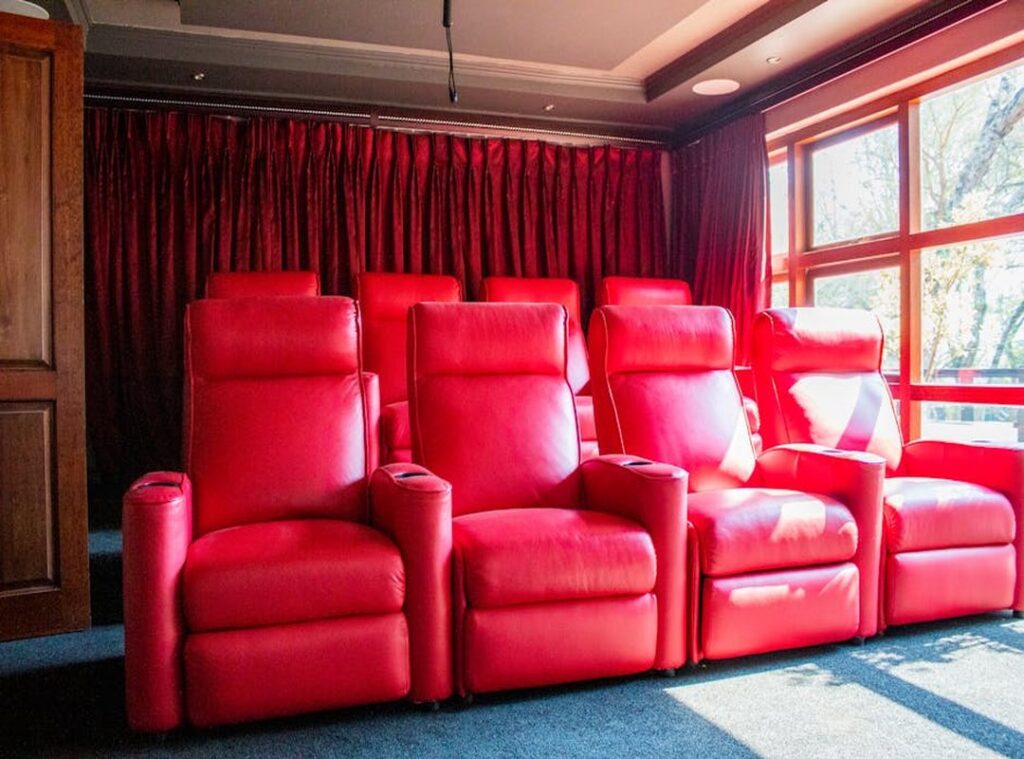
You dream of a cinematic home experience without breaking the bank or dealing with confusing setups.
I get it. The choices can feel overwhelming. High costs and technical jargon make it easy to throw up your hands.
But you shouldn’t have to settle for less. This guide is here to help you get through the world of home theater DIY.
I’ve spent years diving into tech innovations and practical tutorials. I cut through the noise to deliver real solutions for real homes.
You can build a custom home entertainment system that fits your budget and needs.
By the end of this article, you’ll know how to create a setup that rivals the theater experience. You’ll feel empowered to make informed choices and enjoy high-quality results.
Let’s break down the process together. It’s time to transform your space into the entertainment hub you’ve always wanted.
Laying the Foundation: Kicking Off Your DIY System
Where do you even begin with a home theater DIY project? Start by looking around your space. Room size can mess with your plans (believe me, I’ve been there).
Natural light matters too. It affects picture quality more than you think. Seating arrangements play a role in audio experience.
And don’t forget the existing electrical outlets (unless) you love tripping over extension cords.
Next, let’s talk money. Set a realistic budget. Splurge on what’s most important to you.
Maybe it’s audio or that killer display. You don’t need top-of-the-line everything. Prioritize wisely.
Now, what do you want this system to do? Movies? Gaming?
Music? Maybe a bit of everything? Your primary use will steer your choices.
Trust me, what’s good for gaming might not be ideal for a music night.
Then there are the core components. You’ve got displays, audio systems, source devices, and connectivity to worry about. Each has its quirks and costs.
Need a break from home theaters? Check out diy solar charger devices for a fun, sunny project.
Stay focused, make smart choices, and your DIY adventure should be a hit. Got any questions? I’m sure you do.
Just dive in and start planning.
The Visual Heart: Choosing Your Display (TV) or Projector?
“Should I buy a big TV or a projector for my home cinema?” Ah, the age-old question. Let’s get into it. If you’re thinking TV, the choices are many.
LED, OLED, QLED… It’s a lot. Each has its perks.
LED TVs? Solid for bright rooms. OLED, on the other hand, shines in the dark with stunning contrasts.
QLED offers a wider color range, ideal for fans of lively displays.
Now, size matters. You don’t want a screen so big that it overwhelms your space. Measure your room.
Trust me, you don’t want regrets (or a strained neck). Smart TVs with integrated platforms make streaming a breeze. They’re like the of entertainment.
Oh wait, I said I wouldn’t use that cliché. Oops.
As for projectors, think about where you’ll set it up. The type you choose (DLP or LCD) will affect image quality. Ambient light can mess with projections, so consider the room’s lighting.
Fixed screens? They’re always ready but lack flexibility. Retractable screens?
They save space but can wrinkle.
For those into home theater DIY, I recommend checking this breakdown. It offers practical advice. Mounting TVs securely and placing projectors optimally are key.
Don’t forget cable management. Less clutter equals a cleaner look. Pro tip: Plan your setup before buying.
You’ll save time and hassle.
Immersive Sound: Audio on a Budget
You want great sound without emptying your wallet? You’re not alone. The good news is it’s totally doable with simple setups.
Start with a soundbar. It’s compact, easy to install, and surprisingly effective. If you crave a little more depth, a soundbar-subwoofer combo might be your thing.
They pack a punch without needing a ton of space.
Ever tried bookshelf speakers? They’re a solid choice for a 2.0 or 2.1 stereo setup. These little guys can fill a room with sound and won’t break the bank.
Plus, they give you the flexibility to add a subwoofer if you’re feeling adventurous.
Now, if you’re eyeing a mid-range surround sound system, you’re talking 5.1 configurations. This means an AV receiver, front, center, and rear speakers, plus a subwoofer. Placement is key here.
Put the front speakers at ear level, and you’ll thank me later.
Thinking of going all out? A 7.1 system or Dolby Atmos setup could be your next DIY project. It involves more speakers but offers a richer audio experience.
Some even opt for in-wall or ceiling speakers for a cleaner look.
Pro tip: Don’t overlook the small stuff like speaker wire and cable management. They can make a big difference in your home theater DIY setup. Speaker calibration is another gem.
It optimizes sound for your specific room. So, what’s stopping you? Dive in and build that audio haven.
Power Your Content: Devices and Smooth Connectivity
Wondering how to fire up your home theater DIY setup? It’s simpler than you might think. First off, let’s talk streaming devices.
Roku, Amazon Fire TV, Apple TV, and Chromecast are at the forefront. These gadgets grant access to vast content libraries at your fingertips. From Netflix to niche channels, these devices have you covered.
Each offers unique interfaces and remote features, but they all aim to put the world of entertainment in your living room.
Thinking about gaming consoles? They’re more than just for games. Xbox and PlayStation can be the heart of your entertainment setup.
They deliver superb audio and visuals. And if you’re old school, Blu-ray players still shine for physical media lovers.
Connectivity can be daunting. HDMI 2.0 vs. 2.1 (does) it matter? Yes, it does.
HDMI 2.1 supports higher resolutions and refresh rates. Optical audio and wireless options like Bluetooth and Wi-Fi add flexibility.
Tidy up those cables for a cleaner look, and label everything (trust me). For those inclined, Raspberry Pi Projects Beginners offer a chance to tinker and learn. Pro tip: Troubleshoot common signal issues by checking your connections first.
Now, ready to transform your viewing experience?
Future-Proof Your Entertainment: Make It Smart
Ever felt your home theater DIY project was missing a spark? You’re not alone. I remember setting up my system and realizing it was a chore to use.
Let’s be honest (staying) relevant means going smart. Start with voice control. Devices like Alexa or Google Assistant can make life easier, you know?
Who doesn’t want to say commands without leaving the couch?
But wait, don’t forget the backbone: reliable networking. A stable Wi-Fi or wired connection keeps everything smooth. If you’re streaming night after night, you need that.
Choose components with room to grow. Think about evolving tech like 4K/8K resolution and HDR. These aren’t going anywhere fast.
And hey, simple DIY tips work wonders too. Get those devices updated regularly. Basic network setups aren’t rocket science, promise.
A little effort today means fewer headaches tomorrow. Who said future-proofing was hard?
Your Next Steps in Home Entertainment
You’ve got the tools to create your home theater DIY masterpiece. I’ve shown you how to tackle the obstacles of complexity and costs head-on. You’re in control now, crafting a personalized entertainment hub that fits your needs and budget.
So, what’s next? Start planning your setup today. Gather your components and dive into building your system.
Don’t wait. Enjoy the immersive experience you’ve created. Share your success stories with me.
I want to hear how your DIY journey unfolds. You’ve got this, and I’m excited for you. Let’s make that vision a reality.