
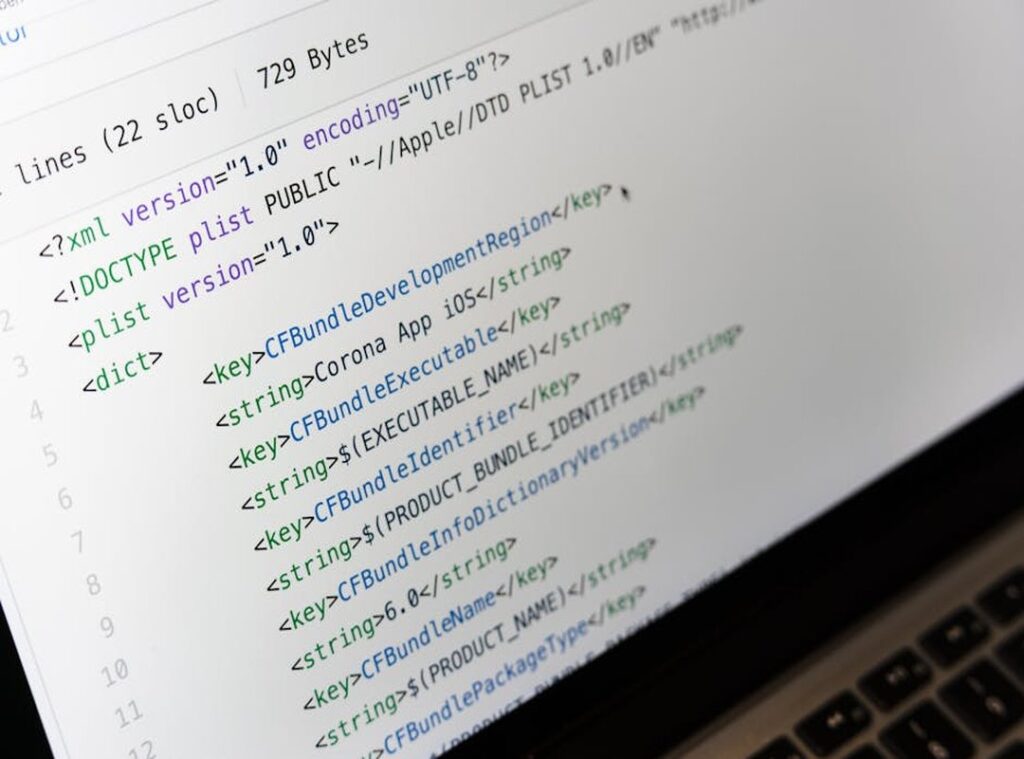
I used to stare at the phrase Software Codes Unitemforce and feel like I was reading a secret code.
You probably have too.
It sounds technical. Important. Maybe even intimidating.
But it’s not magic. It’s just instructions (written) by people, for machines.
Unitemforce is software. Software runs on code. That’s it.
Yet most explanations drown you in jargon or skip straight to features you don’t care about yet.
Why does that matter? Because if you don’t know what the code does, you’ll never really trust what the tool does.
This guide cuts through that.
No fluff. No buzzwords. Just plain talk about how code works inside Unitemforce.
You’ll learn what kind of code powers it (spoiler: not Python or Java), where it lives, and why it matters for your daily work.
You’re not here to become a developer.
You’re here to stop feeling lost when someone says “the backend” or “API integration” or Software Codes Unitemforce.
By the end, you’ll know exactly what that phrase means. And why it’s simpler than you think.
That’s the promise.
What Software Codes Actually Are
Software codes are instructions for computers.
Plain and simple.
I write them. You use things built from them every day. That app on your phone?
Code. That website you just opened? Code.
Think of code like a recipe. A chef follows steps to bake a cake. A computer follows steps to show you a photo or add two numbers.
Or imagine a blueprint. A builder reads it to know where to put walls and doors. Code tells the computer what to build, pixel by pixel, action by action.
These instructions live in languages like Python or Java. You don’t need to learn them to understand what code does. You just need to know it’s not magic (it’s) logic, written down.
Code says:
– Show this picture
– Add these numbers
– Save this file
– Send that message
It’s not vague. It’s exact. If the code is wrong, the computer does the wrong thing.
Or nothing at all.
That’s why clarity matters more than cleverness.
(And why I hate when tutorials skip the “why” and jump straight to typing.)
Want to see how real teams use this idea in practice? learn more about Software Codes Unitemforce.
No jargon. No fluff. Just people writing clear instructions (so) machines do what we actually need.
Unitemforce Is Just Code
Unitemforce is a tool. Not magic. Not AI whispering in your ear.
It’s software. Plain and simple.
I use it every day.
You probably do too. Even if you don’t know how it works under the hood.
It runs on Software Codes Unitemforce. That’s it. No mystery.
Just lines of instructions written by people.
Click a button. Type some text. Drag something sideways.
All of it feeds into the code. The code decides what happens next.
Say it helps manage tasks. Then the code knows how to create a new task. It knows how to mark one complete.
It knows how to show only today’s due tasks.
No code? No Unitemforce. No careful logic?
It crashes. Or worse (does) nothing.
You ever click “Save” and nothing happens? That’s not bad luck. That’s missing or broken code.
Code isn’t abstract. It’s specific. It’s literal.
It’s why “Mark complete” doesn’t accidentally delete your whole list.
You think your job is separate from code? Try using Unitemforce with the code turned off. Go ahead.
I’ll wait.
It doesn’t work without it.
Nothing does.
What’s Actually Running Unitemforce?

I click a button. It works. That’s not magic.
That’s code.
Every button, every field, every menu in Unitemforce runs on its own set of instructions. Not one giant blob. Separate chunks.
Each doing one thing well.
You type into a search bar. The code grabs your input. Scans saved items.
Returns matches. Fast. It doesn’t guess.
It follows rules you can’t see but depend on every day.
Data doesn’t just float around. Code saves what you enter. Pulls it back later.
Keeps it sorted. If it misplaces one record, everything feels off. So it doesn’t.
Reliability isn’t accidental. It’s baked in (through) testing, structure, and constant attention to how things break. Which is why you should know where to look when something does go sideways.
Like when an action fails and throws up a number instead of a result. That’s where Error codes unitemforce comes in.
Software Codes Unitemforce isn’t some abstract layer. It’s the reason your checklist saves. Why your notes stay put.
Why filters work without asking. No fluff. No promises.
Just logic doing its job.
You don’t need to read the code. But you should trust that it’s there. Tight, clear, and ready.
What would you do if it wasn’t?
Why “Software Codes Unitemforce” Isn’t Magic
You don’t need to write code to get it.
I didn’t either. And I still debug my own stuff.
It’s not about memorizing syntax. It’s about knowing that every button click, every error message, every update? All of it comes from lines of instructions (Software) Codes Unitemforce (written) by people.
So when your tool freezes or a feature vanishes, you stop thinking “it’s broken” and start asking “what changed?”
That shift alone saves hours.
Bugs aren’t ghosts in the machine. They’re typos. Logic slips.
Rushed fixes. New features? Just more lines added (sometimes) well, sometimes not.
You’ll describe problems better. You’ll spot patterns. You’ll stop blaming yourself when something fails.
This isn’t tech literacy for coders.
It’s basic literacy for using anything digital without fear.
Confidence doesn’t come from clicking blindly.
It comes from knowing there’s a reason behind every behavior (even) the weird ones.
You’ll ask smarter questions. You’ll skip half the support tickets. You’ll trust the tool (not) because it’s perfect (but) because you understand its limits.
Still think it’s too much? Try reading one error log. Just once.
What do you see?
You’ll realize how little you needed to know all along.
Ready to stop guessing and start understanding?
Whrer Can I Get Unitemforce
You Get It Now
I remember staring at Software Codes Unitemforce the first time and feeling lost.
You probably did too.
That confusion? Gone.
Software code isn’t magic. It’s just instructions (clear,) step-by-step, written by people. Unitemforce runs on those same instructions.
Same as your browser. Same as your text app. Same as the weather app you check every morning.
You don’t need to write code to use it well.
But knowing it’s there changes how you see everything.
Why does that button work? Code. Why does the search return results so fast?
Code. Why does Unitemforce handle ten tasks at once? Code.
You’re not just clicking. You’re triggering logic. That’s power.
So next time you open Unitemforce. Or any tool (pause) for two seconds.
Ask: What’s the instruction behind this?
Then go try something new in it. Not just click around. Actually test it.
See what happens when you change a setting. Add a field. Run a report.
Your frustration wasn’t about complexity. It was about not knowing where to start. Now you do.
Open Unitemforce right now.
Pick one thing you’ve avoided. And do it.