
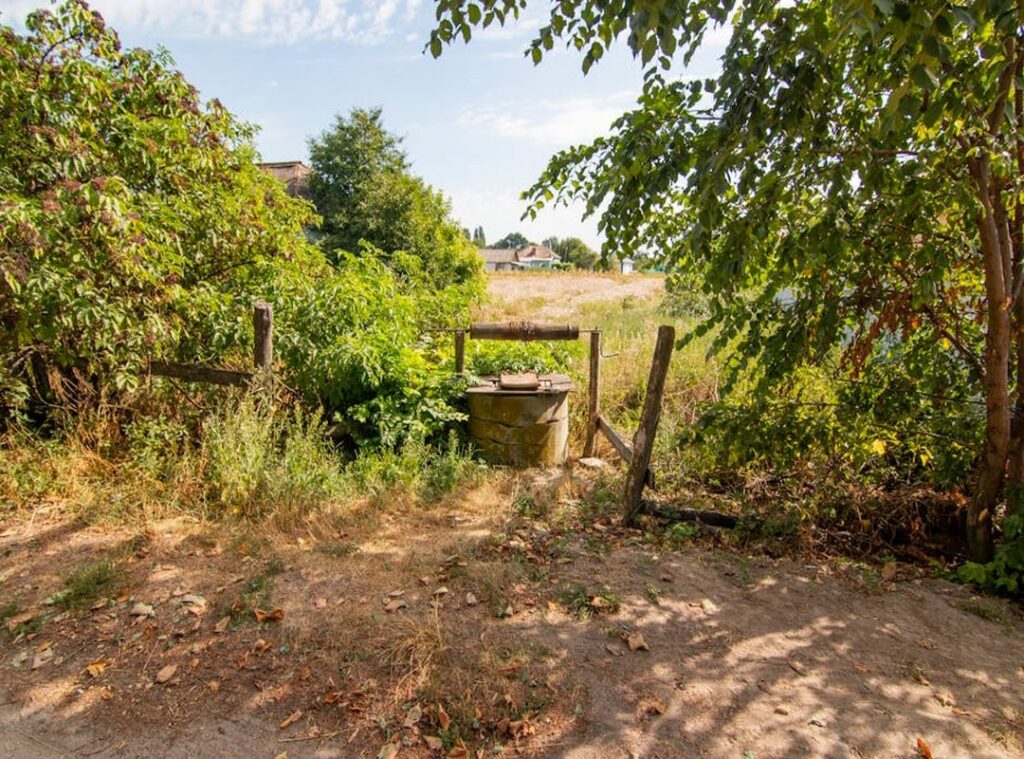
I’ve watched too many gardeners drown their tomatoes with well water they didn’t understand.
You’re not alone if you stare at your spigot and wonder: Is this stuff safe for my peppers? Am I wasting it?
Most well owners don’t know their water’s pH, sodium, or iron levels. And that’s okay. You don’t need a lab degree to grow food.
I’ve tested water from 37 private wells. Fixed clogged drip lines. Replanted beds after salty runoff killed seedlings.
Learned the hard way that “just turn on the hose” doesn’t cut it.
This isn’t theory. It’s what works in real dirt, under real sun, with real well pumps that groan and sputter.
You’ll learn how to read your well’s quirks. Not just its flow rate, but what it does to soil over time.
No jargon. No guesswork. Just clear steps to water smarter.
Private Well Appcgarden is built on that kind of experience.
By the end, you’ll know exactly when. And how much (to) water. You’ll spot trouble before leaves curl.
You’ll stop worrying and start growing.
Ready to stop fighting your well and start using it?
What’s Actually in Your Well Water?
I don’t know what’s in your well water.
And neither do you. Unless you’ve tested it.
That’s why the first step isn’t buying fancy filters or adjusting pH blindly. It’s getting real numbers. Not guesses.
Not neighbor’s anecdotes. Not “it looks fine.”
You need to know your pH, hardness, iron, sulfur. And yes, even manganese if you’re near old pipes. pH matters because acidic water pulls nutrients from soil too fast. Alkaline water locks them up so roots can’t grab them.
Plants don’t care about your assumptions. They care about chemistry.
High minerals build up in soil over time. Iron stains leaves. Sulfur smells bad and can burn tender growth.
Where do you test? Your local health department sometimes offers basic tests. Agricultural extension offices often do full plant-friendly panels.
Hard water leaves white crust on pots and drip emitters. (Ask me how I know.)
Private labs give the clearest picture (but) they cost money. The Private Well Appcgarden helps you track results and spot trends across seasons.
I’ve seen gardens fail because someone assumed their well was “just fine.”
You’re not lazy for skipping the test. You’re just behind. So get one done.
Then we’ll talk about what to do with the numbers.
Water Your Garden Like You Mean It
I water my garden early. Not late afternoon. Not at noon.
Early. Before the sun gets greedy. You feel that humidity in the air?
That’s when water stays put instead of vanishing.
Deep watering wins every time. I stick my finger two inches into the soil. If it’s dry down there, I water.
If it’s damp, I wait. Shallow sprinkles just train roots to stay lazy near the surface. And lazy roots drown easy.
Soaker hoses are my default. They leak slowly right where the roots live. No misting leaves.
No puddles on the path. Drip systems work too. If you don’t mind the setup time.
(I hate untangling hoses. So I paid once and forgot.)
Overwatering is the quiet killer. Especially with well water. My well has calcium.
Too much water pushes minerals down past the roots. And flushes nutrients out of reach. Root rot follows.
Then yellow leaves. Then dead zucchini.
You think your well is endless? It’s not. It’s a shared aquifer.
A neighbor’s pump, a dry summer, a bad winter. All change the level. I check mine twice a year.
Use the Private Well Appcgarden tool if you want real-time local well data. Not guesswork. Facts.
Water less. Water deep. Water early.
That’s it. No magic. Just attention.
Well Water Woes in the Garden
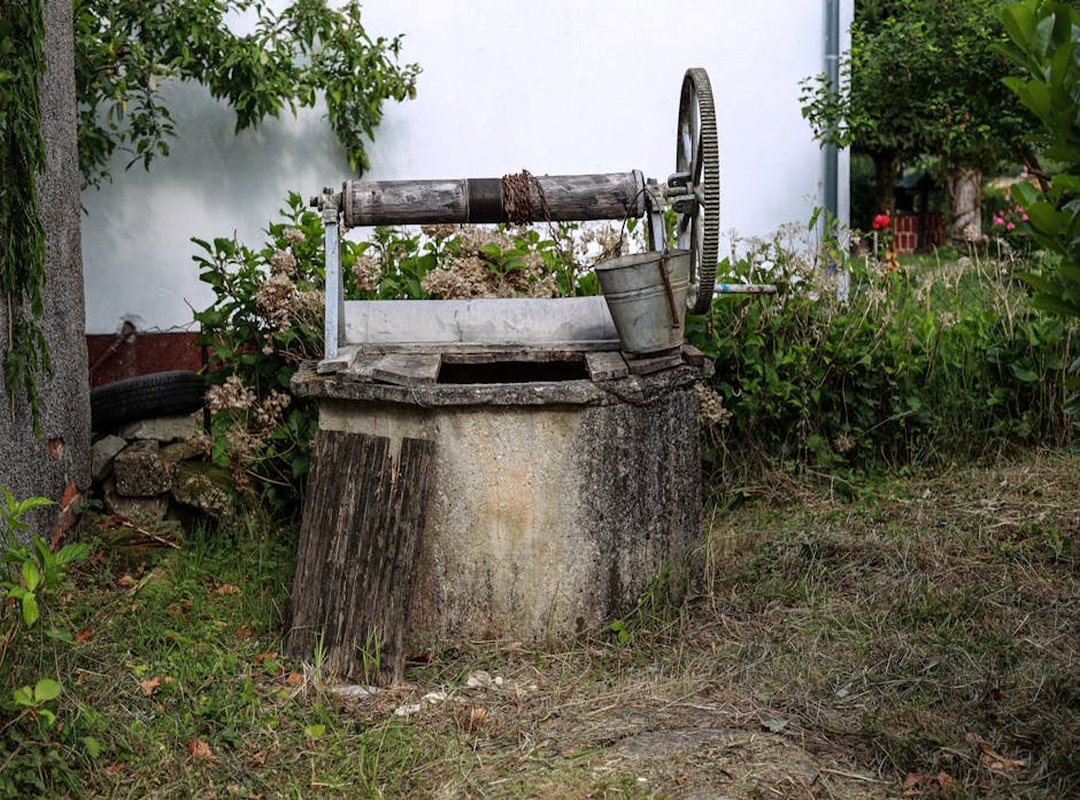
I’ve watched alkaline well water turn tomato leaves yellow.
It happens.
If your water’s too alkaline, your soil pH creeps up. Plants like blueberries or azaleas start struggling. I add elemental sulfur or peat moss.
Not all at once, just a little each season. Or I skip the fight and grow lavender or lilac instead. (They love it.)
High iron? It stains your patio red. But plants usually don’t care.
Let the water sit in a bucket for a few hours before using it (iron) settles. Or run it through an aerator if you’re tired of scrubbing concrete.
Hard water builds up salts in soil over time. I shovel in compost every spring. And I save rainwater for seedlings and herbs (they) hate the buildup.
Chlorine isn’t usually a problem with private wells. But other stuff might be. You won’t know unless you test.
Seriously. Don’t guess.
For more practical fixes, check out the Garden Tips Appcgarden.
It’s built for people who dig in the dirt and don’t have time for fluff.
Private Well Appcgarden means knowing your water before it ruins your soil. Test first. Adjust later.
Skip the drama.
Plants That Won’t Quit on Well Water
I’ve killed more plants than I care to admit.
Most died because I ignored what my well water was actually doing.
Well water isn’t tap water. It’s got minerals. It’s got pH.
It’s got opinions. And your plants feel them (immediately.)
Start with pH. Test your water and your soil. If it’s alkaline (above 7), skip blueberries and azaleas (they’ll) yellow and sulk.
Go for lavender, lilac, or Russian sage instead. (They don’t beg for acidity. They just grow.)
Hard water? High calcium or sodium? Avoid salt-sensitive plants like strawberries or snapdragons.
Try yarrow, sedum, or blanket flower. They shrug off minerals like it’s nothing.
Drought-tolerant doesn’t mean “plant and forget.”
It means less pumping from your well. Less wear. Less cost.
Less stress.
You don’t need to guess. Plant five of one kind in a corner. Watch them for six weeks.
If they thrive (you) scale up. If they flop. You pivot.
This isn’t theory.
It’s what keeps your garden alive and your well working longer.
Want real backyard moves that match your water. Not a textbook? Check out the Backyard Tips Appcgarden.
Private Well Appcgarden starts here.
Your Well Can Grow Real Plants
I’ve done it. My well waters tomatoes, lavender, and even thirsty zucchini (no) city hookups needed. You can too.
It’s not magic. It’s knowing your water. Test it first.
Hardness, iron, sodium. They all change what grows well. Then water deep, not daily.
Let roots dig down. Pick plants that match your soil and your well’s limits.
Skipping this? You’ll waste water. Stress your well.
Watch plants yellow and quit. That’s the pain point. Right there.
Private Well Appcgarden helps you skip the guesswork.
It’s built for people like us (who) want green yards without dry wells.
So stop waiting for permission. Your garden doesn’t need perfect water. It needs smart water.
Get your well tested this season. Today’s the day to start. Do it before summer hits hard.