

I write code. I break it. I fix it.
I’ve done this for years. And I’m tired of advice that sounds good but fails at 2 a.m.
You want real help. Not theory. Not fluff.
You want to ship faster. Understand your own code six months later. Stop rewriting the same thing twice.
That’s why I built Otvpcomputers Coding Advice From Onthisveryspot.
It’s not another list of “best practices” you’ll ignore. It’s what actually works when your deadline is tight and your coffee is cold.
Why trust this? Because it’s all tested in messy, real projects (not) tutorials.
You’ll learn how to start clean. How to name things so your future self doesn’t curse you. How to spot bugs before they haunt you.
No jargon. No hype. Just direct, working advice.
You’ll walk away with a clear path. Not more confusion.
You’ll write code that feels solid. Not clever. Solid.
And you’ll spend less time debugging. More time building.
That’s the promise.
Your Coding Setup Is Not Optional
I set up my first dev environment wrong. Twice. It cost me three days of debugging a missing semicolon.
You need a text editor that works. Not one that looks cool in a YouTube thumbnail. VS Code is what I use.
It’s free. It runs on anything. It does not ask for your soul in return.
Sublime Text? Fast. Lightweight.
Good if you hate waiting. Atom? Dead.
Don’t bother. (GitHub killed it. Move on.)
Otvpcomputers Coding Advice From Onthisveryspot starts here: Otvpcomputers
Install Prettier. Install ESLint. Do it now.
They catch dumb mistakes before you push broken code.
Make folders like you’ll forget where everything is. Because you will. /src, /tests, /assets. Not stuff_v2_final_really.
The command line is not magic. It’s just typing instead of clicking. cd, ls, mkdir, node index.js. Learn those four.
You’ll use them every day.
I once spent 47 minutes trying to run a script because I clicked the wrong file in Finder. Then I typed node app.js. It ran.
I laughed. Then I cried.
Skip the fancy setups. Skip the config wars. Get something working.
Keep it simple. Fix it later (if) you even need to.
You don’t need the perfect setup to write good code.
You do need one that doesn’t fight you.
Readable Code Is Self-Respect
I write code for people. Not machines. Especially me six months from now.
You ever stare at your own function and wonder what the hell it does? Yeah. That’s why readability matters.
Use user_age, not ua. Names should answer “what is this?” without guessing. (And no, data1 is not a name.)
I run Prettier. Every time. Consistent indentation and spacing isn’t optional.
It’s hygiene.
Break big logic into small functions. One job per function. If it needs a comment to explain what it does, it’s too big.
Bad:
def f(x): return x * 2 + 1 if x > 0 else 0
Good:
def calculate_score_for_active_user(user_points):

 return user_points * 2 + 1 if user_points > 0 else 0
Comments should say why, not what. The code says what. Your brain says why.
I once spent three hours debugging a loop because the comment said “fix bug” and the code was silent. Don’t do that.
Otvpcomputers Coding Advice From Onthisveryspot reminds me: clear code saves time. Every day. Every sprint.
You think you’ll remember the context? You won’t.
So write like your future self is tired, hungover, and holding a coffee cup full of regret.
Would you want to read this?
No.
Then rewrite it.
Debugging Is Just Coding
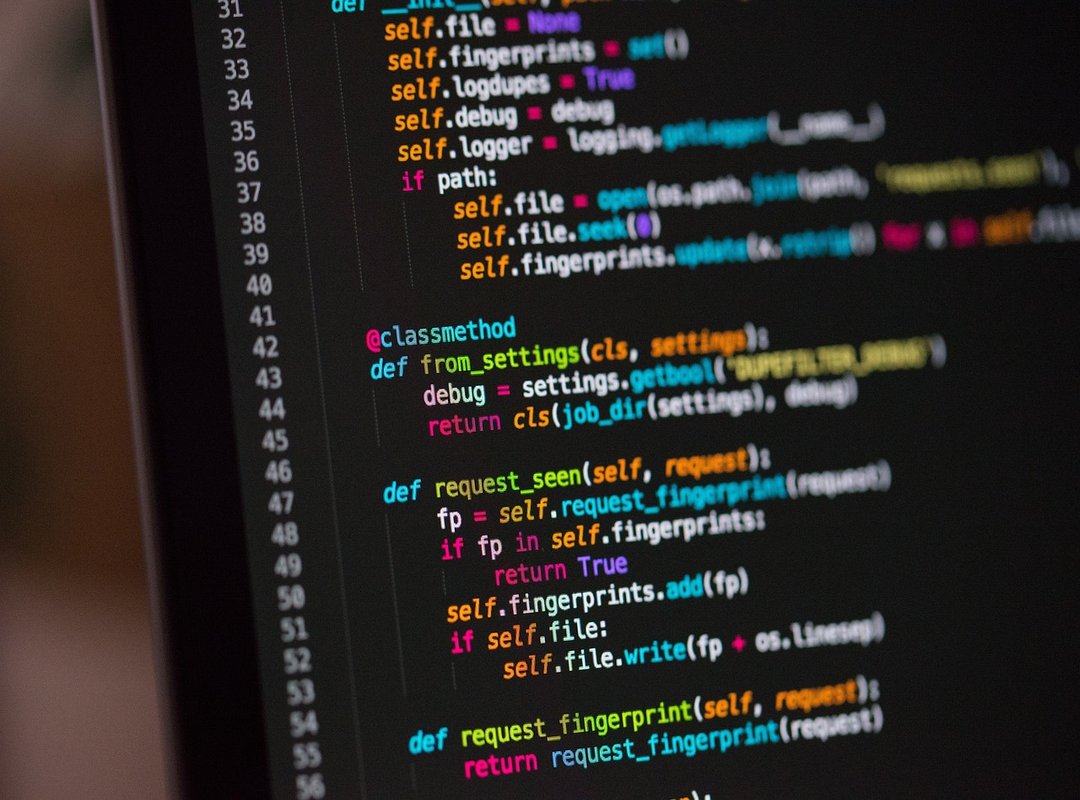
I debug every day. It’s not failure. It’s how code gets real.
Error messages look scary until you read them word for word. They tell you where and often why. Stop skipping to the end.
Print statements are my first move. Not elegant. But they work.
I drop them like breadcrumbs and follow the trail.
A real debugger in your IDE? Use it. Watch variables change as lines run.
See what actually happens. Not what you think happens. (You’ll be shocked how often those differ.)
Comment out half the code. Does it break? Then the bug is in that half.
Keep cutting until you find the line.
Stuck for 20 minutes? Walk away. Go make coffee.
Stare at a wall. Your brain resets faster than any compiler.
Rubber duck debugging works because saying it out loud forces clarity. I’ve talked to mugs, plants, and my cat. They never judge.
(They also never fix the bug.)
If you hit Errordomain Otvpcomputers, start here: How to Troubleshoot Errordomain Otvpcomputers.
That page exists because I’ve typed that error a dozen times.
Otvpcomputers Coding Advice From Onthisveryspot isn’t theory.
It’s what I do when the code won’t run.
Coding Never Stops
I learn something new every week. Sometimes it’s useful. Sometimes it’s just noise.
Tools break. APIs vanish overnight. If you stop learning, you fall behind (fast.)
You think you’re done learning after your first job? Wrong. Languages change.
I use docs first. Not tutorials. Docs tell me what the thing actually does, not what someone thinks it should do.
Tutorials are fine for starting out (but) they rot faster than milk.
I join coding communities where people argue about syntax. That’s where real learning happens. Not in silence.
In friction.
LeetCode? Sure. But I’d rather build something broken and fix it.
A personal project teaches more than ten algorithm drills. (Unless you’re prepping for FAANG. Then yeah (grind) those problems.)
CS fundamentals matter. A lot. Not because you’ll write a compiler.
But because you’ll stop blaming the system when your code melts down.
I shared a buggy React hook last year. Got shredded in a Discord channel. Fixed it in two hours.
Learned more than I did all month.
Otvpcomputers Coding Advice From Onthisveryspot is how I stay grounded. No hype. No fluff.
Just real talk from people who’ve shipped bad code and lived to debug it. You’ll find their take on practical learning at Otvpcomputers.
Your Code Is Ready. Are You?
I’ve been where you are. Staring at a blank editor. Wrestling with bugs that make no sense.
Wondering if you’re doing it right.
You just read Otvpcomputers Coding Advice From Onthisveryspot. Not theory. Not fluff.
Real stuff that works.
Clarity is your biggest bottleneck. Not syntax. Not tools. Clarity.
You know that feeling when your code works (but) you’re not sure why? That’s the pain point. And it’s fixable.
So pick one thing. Just one. From this article.
Right now.
Try it in your current project. Not tomorrow. Not after you “finish this task.” Now.
I did this last week. Chose one debugging habit. Used it on a real bug.
Fixed it in half the time.
You’ll feel the difference fast. Less frustration. More flow.
This isn’t about being perfect. It’s about writing code you can read. Change.
Trust.
You don’t need more tutorials. You need to do.
So go open your editor. Pick one tip. Run it.
What’s stopping you?
Nothing. Not really.
Start small. Stay consistent. Watch your confidence rise.
That’s how you level up. Not with hype, but with action.
Your next line of code is waiting.
Do it.