
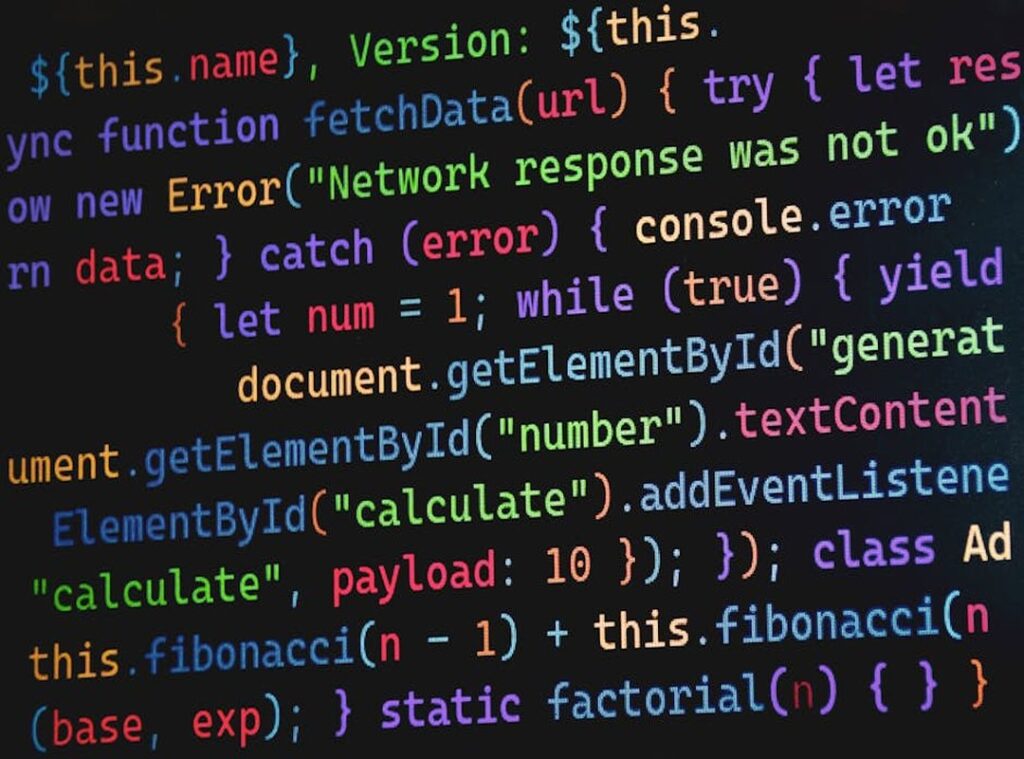
I used to think programming was for people who spoke fluent robot.
Turns out it’s not.
You’re here because you want to make computers do something real. Not just click and scroll (build.)
This Guide in Programming Dtrgstechfacts isn’t another dense textbook. It’s the version I wish existed when I typed my first line of code and got stuck on a missing semicolon for forty minutes.
Yeah, that happened.
You’ve probably heard “anyone can learn to code.” But most guides skip the part where you actually feel like you get it.
We don’t hide behind jargon. No “combo.” No “use.” Just clear steps. Real examples.
Things you can run and break and fix yourself.
You’ll learn what programming is, not what it’s supposed to be.
Why Dtrgstechfacts works (and) why it skips the fluff most beginners drown in.
And how to write your first working program before lunch.
No gatekeeping. No filler. Just you, the keyboard, and a path forward.
By the end, you’ll know exactly what to do next.
Not just what to read.
What Programming Really Is
Programming is telling a computer exactly what to do. Step by step. Like writing a recipe for chocolate cake (“preheat) oven,” “mix flour and sugar,” “bake 30 minutes.” (Except computers don’t burn the cake if you forget the eggs.)
You’re not speaking English. You’re using languages like Python or JavaScript (but) they’re just tools. Not magic.
Just rules.
Why learn it? Because it trains your brain to break big problems into small ones. You start seeing patterns.
You stop getting stuck.
You’ve already done this. Ever given driving directions to a friend? “Turn left at the gas station, go two blocks, look for the blue house.” That’s programming logic.
Want to build a website? Make a phone app? Control a robot?
All start with the same core skill: clear instructions.
The Guide in Programming Dtrgstechfacts walks through real examples. No fluff.
I built my first site after three hours of typing real code. Not watching videos. Not reading theory. Typing.
What’s one thing you’d automate right now. If you knew how?
Most people overthink the first step. They don’t need to. They need to open a text editor and write print("Hello").
That’s it. That’s programming.
Dtrgstechfacts Is Just Tools You Actually Use
Dtrgstechfacts is a set of real tools and plain-language examples (not) theory, not fluff.
It’s the kind of thing you open when you’re stuck on a loop and need to see it work, not read about it.
I built it around one idea: you learn code by doing small things that make sense right now. Not by memorizing definitions. Not by waiting until you’re “ready.”
You break big problems into pieces so tiny they stop feeling scary.
(Like writing a loop that prints just three names. Not fifty.)
Beginners drown in jargon and vague advice. Dtrgstechfacts cuts that out. It gives you working code first, explanation second.
And only the explanation you need that second.
Say variables confuse you. Instead of saying “a variable stores data,” Dtrgstechfacts shows you user_name = "Sam" and then changes it to "Alex" (and) asks you to try it yourself. No extra words.
No detours.
This isn’t a course. It’s a Guide in Programming Dtrgstechfacts (a) place you go when something isn’t clicking. You run the example.
You break it. You fix it. You move on.
Most tutorials talk at you. This one hands you the keyboard and says: Here. Try this.
You don’t need permission to start. You just need the next small step. And that’s all Dtrgstechfacts gives you (nothing) more, nothing less.
Start Small or Get Stuck
I tried to learn everything at once.
It did not work.
You will hit a wall fast if you open ten tabs and read three tutorials before writing one line of code.
Start with Python.
It reads like English and does real things fast.
Or try Scratch if you’re new to logic itself.
No shame in dragging blocks first.
Type something. Run it. Break it.
Fix it. That loop is how your brain learns.
You think typing print("hello") is too basic? Good. Do it anyway.
Then change “hello” to your name. Then add a number. Then break it on purpose.
Mistakes are not failures.
They’re the only way you find out what actually happens.
The Guide in Programming Dtrgstechfacts isn’t about memorizing syntax.
It’s about building muscle memory through repetition.
Want real talk from people who’ve been stuck where you are?
Check out Computer Geeks Dtrgstechfacts.
They don’t sugarcoat it.
Neither should you.
Skip the theory. Write something tiny today. Then do it again tomorrow.
What You’ll Actually Learn
I start with variables. Not theory. A box.
You put stuff in it. You name it. You use it later.
That’s it.
Loops? You do the same thing ten times. Or a hundred.
Without typing it out. I’ve watched people type the same line twenty times before they get loops. (It’s painful.)
Conditionals are just decisions. If this happens, do that. Else, do something else.
Real life uses these every day. Your coffee maker does it.
Functions are shortcuts. Write once. Use everywhere.
Like a recipe you follow again and again.
Dtrgstechfacts doesn’t drown you in jargon. It shows code. Then asks you to change it.
Then breaks what you broke (so) you see why.
You don’t memorize syntax. You fix broken examples. You build tiny things that work.
Some guides pretend programming is magic. It’s not. It’s logic.
Repetition. Small wins.
You’ll write your first loop in under five minutes. Not after three chapters. Now.
You’ll understand if statements before lunch. Not after reading six definitions.
This isn’t about sounding smart. It’s about making stuff run.
The Guide in Programming Dtrgstechfacts works because it skips the fluff and goes straight to the keyboard.
| Concept | What You Do First |
|---|---|
| Variables | Store your name. Print it back. |
| Loops | Count from 1 to 10. Then count backwards. |
| Functions | Turn “print hello” into a button you press. |
You want real practice. Not slides. Not quizzes that feel like tax forms.
Check out the Dtrgstechfacts tech geeks by digitalrgs page. See how it’s built.
Your First Line of Code Starts Now
I’ve been there. Staring at a blank editor. Wondering if I belonged.
You don’t need permission to begin. You just need to type something.
That Guide in Programming Dtrgstechfacts isn’t waiting for you to be ready. It’s waiting for you to click. To open.
To try.
You’re stuck because you think you need to understand everything first. You don’t. You need to run one line of code.
Then another.
So stop reading about coding.
Start coding.
Open a browser. Search for Guide in Programming Dtrgstechfacts. Pick the first tutorial.
Type the first example. Hit enter.
That’s it. No setup. No prep.
No gatekeeping.
Your brain learns by doing. Not watching.
Go do it now.