
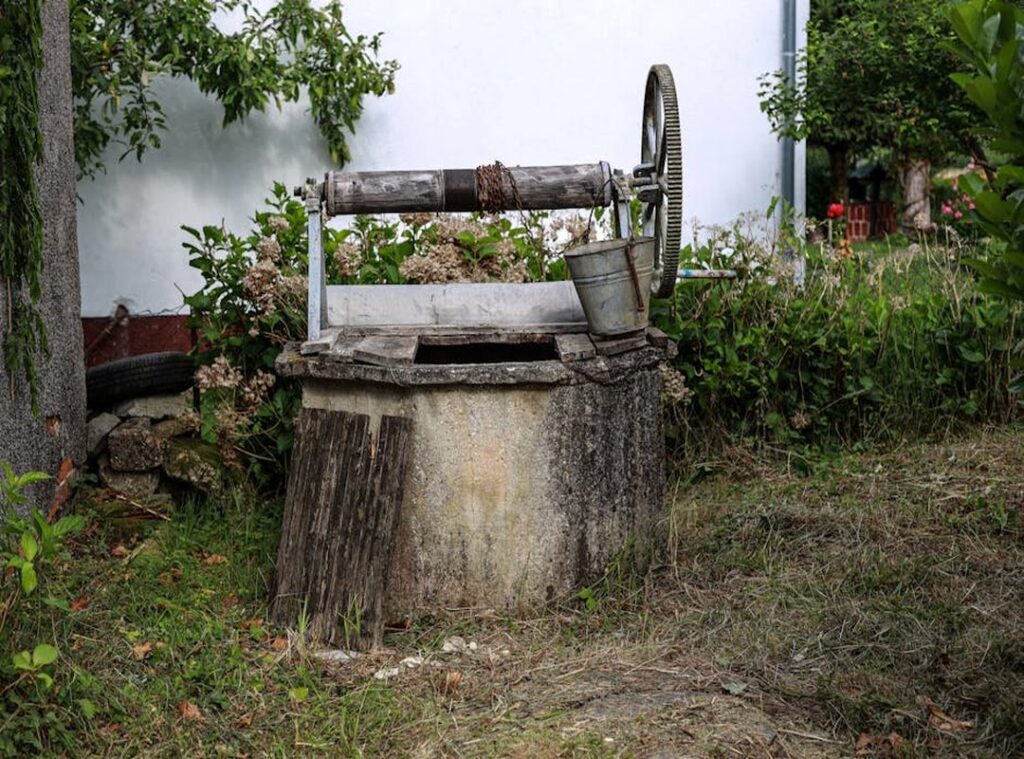
I dug my own well. Not with a shovel. But after twenty years of watching water bills climb, I got tired of guessing what’s in the tap.
You’re here because your bill went up again. Or your garden browned out during summer restrictions. Or you tasted something weird in the water and started reading labels on bottled stuff.
What Are the Benefits a Private Well Appcgarden
That question hits hard when your municipal supply feels unreliable.
I’ve seen wells run dry (and) I’ve seen them outlast droughts. They’re not magic. They’re plumbing with roots.
And they give you control over what flows to your sink, your hose, your kids’ cups.
No more waiting for city notices about boil orders.
No more rationing your sprinkler schedule like it’s wartime.
This isn’t theory.
It’s what happens when you stop renting water and start owning it.
You’ll get real numbers. Real trade-offs. Real reasons why some people walk away from the grid (not) for ideology, but for practicality.
By the end, you’ll know if a well makes sense for your land, your budget, and your garden. No hype. No fluff.
Just what works. And what doesn’t.
No More Water Bills
I drilled a well. My water bill dropped to zero overnight. (Yes, really.)
What Are the Benefits a Private Well Appcgarden? It starts with cutting out the city’s monthly charge (every) single month.
You pay for water you use. You pay for sewer (even) if your toilet flushes less than mine. You pay infrastructure fees.
You pay “service” charges. All of it adds up fast.
My neighbor pays $127 a month. That’s $1,524 a year. Over ten years? $15,240.
And that number climbs every year.
A well costs money up front. I paid $8,500. But after three years, I was already ahead.
Now my only costs are electricity for the pump and a $150 checkup every two years. That’s about $120 a year total.
You’re not paying for someone else’s pipes or treatment plant upgrades. You’re paying for what you actually use. And even then, it’s pennies.
Think about your lawn. Your kids’ hose fights. Your long showers.
City meters notice all of it. A well? It just runs.
Sewer fees alone often match or beat the water charge. Cut both. You win.
Maintenance is simple. A good pump lasts 15 years. Filters cost $30.
A pressure tank? Maybe once a decade.
You want control. You want predictability. You want to stop watching your water bill tick up every summer.
Go look at Appcgarden. See what real numbers look like for your zip code.
Still think it’s too expensive? Run the math again.
Your Own Water, No Rules
I drilled a well because I got tired of watching my lawn turn brown while the city sent fines for overwatering. (Yes, they’ll fine you for keeping your grass alive.)
A private well means your water comes from underground (not) from a pipe that someone else controls. You don’t ask permission to run the sprinklers. You don’t get a bill based on how much your tomatoes drank last week.
What Are the Benefits a Private Well Appcgarden? It’s simple: you water when you want, how much you want, and no one blinks.
My garden used to be patchy. Now it’s thick with squash, cucumbers, and even blueberries (plants) that wilt if you skip a day. I run drip lines all summer.
I flood the raised beds before planting. I don’t check drought alerts first.
And when the municipal system fails? Like during that ice storm last January? My faucet still worked.
My pressure tank hummed. My plants stayed green.
You think about water differently once it’s yours. Not as a utility (but) as soil, roots, and quiet confidence.
No more guessing if the hose ban lifts next month. No more choosing between your lawn and your conscience.
You dig deep once. Then you stop worrying.
It’s not luxury. It’s control.
Why Well Water Tastes Better Than Tap
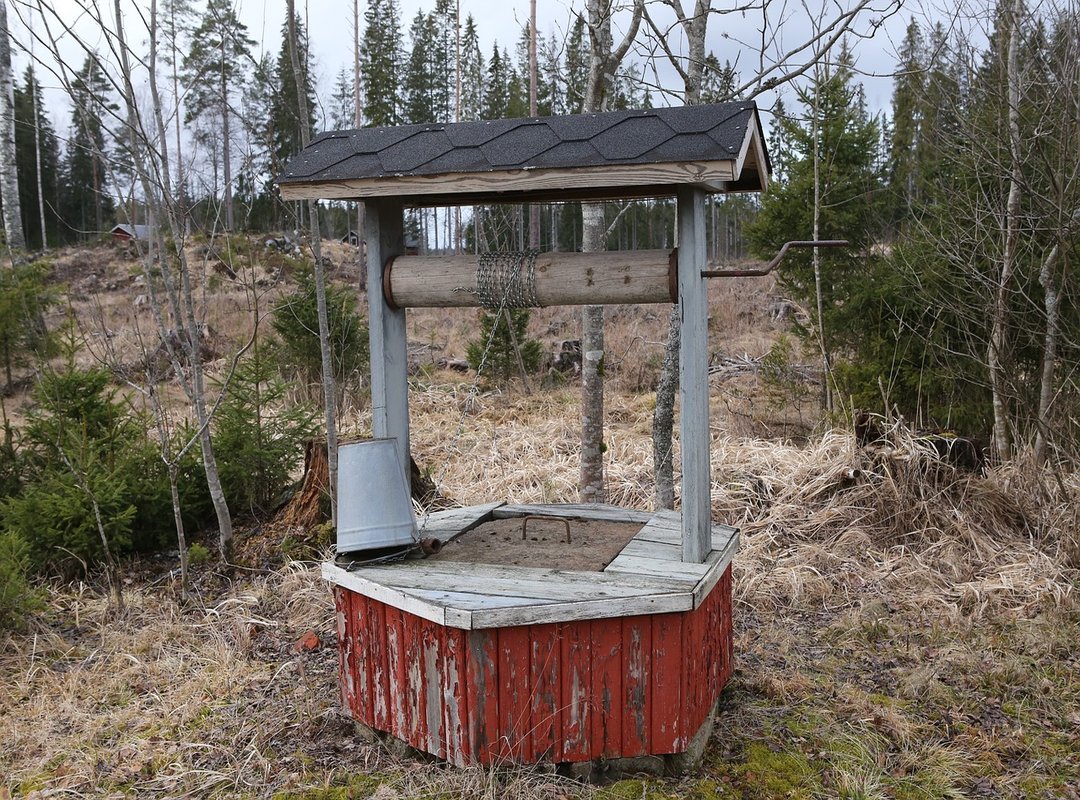
I’ve tasted municipal water straight from the tap. It tastes like a swimming pool. (And yes, that’s the chlorine you’re smelling.)
You’re right to worry about fluoride and other additives. They’re in there on purpose. But that doesn’t mean you have to drink them.
Well water skips the treatment plant. It filters through rock and soil first. That natural process removes some stuff (and) leaves behind a cleaner taste.
I don’t trust “pure” labels on bottled water. I do trust my own well. Once I test it and treat it the way I want.
What Are the Benefits a Private Well Appcgarden? You get control. Not suggestions.
Not compromises.
You test for iron, sulfur, nitrates (whatever) matters to you. Then you fix only what needs fixing.
My neighbor boiled her tap water for years before switching. First sip of her well water? She poured it out.
Too much iron. Fixed it in two weeks.
You can too.
Most people say well water just tastes right. For coffee, soup, even ice cubes.
It’s not magic. It’s geology and choice.
Want real steps. Not theory? learn more
Private Well = More Than Just Water
A private well adds real value to your property. Not just a nice-to-have (it’s) a hard number on the appraisal sheet.
Buyers pay more for independence. No monthly water bill. No surprise rate hikes.
No city shutdowns during droughts. (Which, by the way, are happening right now in half the country.)
Self-sufficiency isn’t a buzzword here. It’s turning a valve and knowing your water comes from your land (not) a pipe buried under someone else’s street.
You’re not just cutting costs. You’re cutting dependence. On aging infrastructure.
On distant treatment plants. On decisions made hundreds of miles away.
That also means less strain on public systems. Less pumping. Less treatment.
It’s quieter. Cleaner. Simpler.
Less energy. Less carbon.
Some folks care about that. Others just want reliable water when the grid flickers. Or fails.
Either way, it moves the needle on sale price. Not a little. A lot.
And if you’re thinking about what to grow once you’ve got that steady supply? Start with the basics. What Gardening Supplies Should I Buy Appcgarden
Water You Waiting For?
A private well cuts your bills. It ends the restrictions. It fixes the water quality.
I’ve seen too many people stuck with cloudy water and surprise fees. You’re tired of that. You want control.
Not another bill. Not another rule.
What Are the Benefits a Private Well Appcgarden? They’re real. Not theoretical.
Not “maybe someday.”
You tap into your land’s own water. You decide what goes in it. You stop paying for someone else’s pipe system.
This isn’t magic. It’s geology + good planning. Your soil matters.
Your property size matters. Your local rules matter. Skip the guesswork.
You already know your water sucks sometimes. You already know your bill creeps up every year. So why wait for permission to fix it?
Call a local well driller. Not a sales rep. A driller.
One who’s dug in your county. Ask them: *Can my land support a reliable well? What’s the real cost.
Not the brochure number?*
That call takes 12 minutes. The payoff lasts decades. Go make it.